
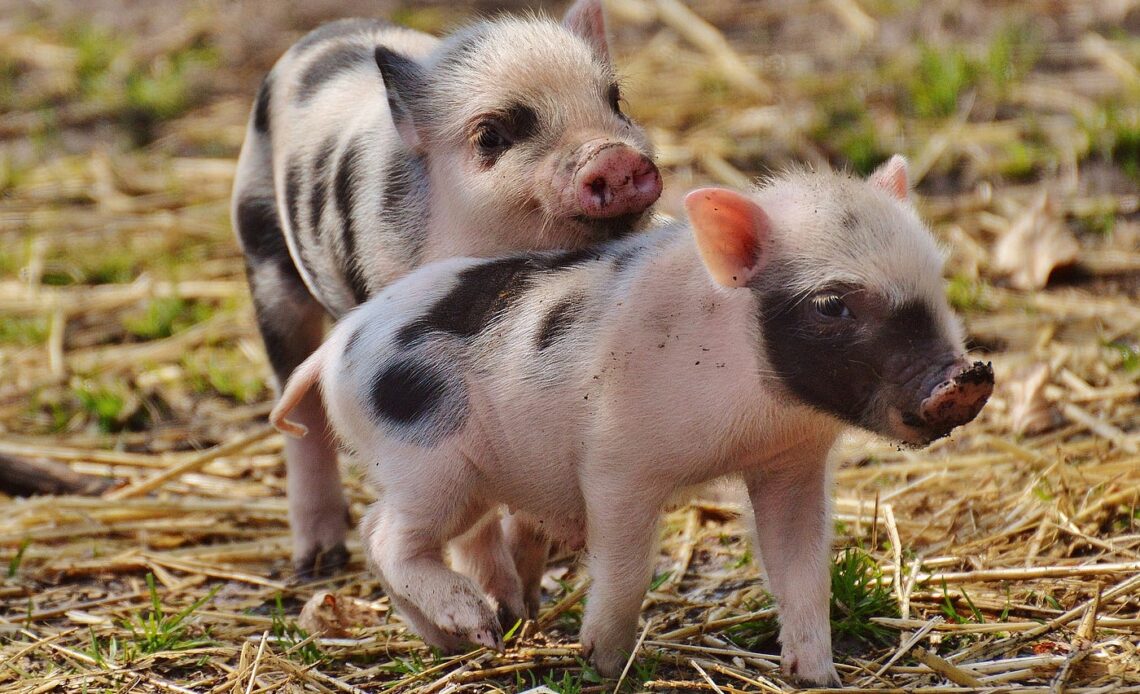
The most cleanest animal in the world is often cited as the domestic cat, which spends up to 50% of its waking hours grooming. However, pigs are a close second; despite their “dirty” reputation, they are fastidiously clean and only wallow in mud to cool down because they cannot sweat. Other top contenders include ants, which meticulously clean their colonies, and pigeons, which spend significant time preening their feathers to stay parasite-free.
The idea that certain animals are inherently ‘dirty’ is often more cultural myth than biological fact. Pigs won’t soil their sleeping areas. Crows wash their food. Dolphins constantly swim in water. Many animals most humans associate with filth are actually cleaner than their reputation suggests – and some animals considered ‘clean’ harbor more bacteria than most people realize.
Cleanest Animals in the World
| Animal | Why It’s Clean | Key Hygiene Behavior |
|---|---|---|
| Domestic Cat | Spends 30-50% of waking time grooming | Self-cleans with tongue; removes parasites, dirt, odor; grooming is also social bonding |
| Pig | Naturally separates sleeping, eating, and toilet areas | Will not soil its own living space if given enough room; mud bathing is thermoregulation, not preference |
| Bird (general) | Preening removes parasites, realigns feathers, waterproofs | Daily preening maintains feathers for flight efficiency and insulation; many species also bathe |
| Dolphin | Lives in water; skin constantly flushed | Unique skin renewal – outer layer replaced every 2 hours; inhibits barnacle and bacteria attachment |
| Rabbit | Constant self-grooming; clean habitat preference | Grooms after every meal; creates designated toilet corner; grooming is a core survival behavior |
| Crow / Raven | Food washing; nest hygiene | Observed washing food before eating; remove parasites from nests; highly intelligent hygiene behavior |
Why Cats Are the Self-Grooming Champions
A domestic cat’s tongue is uniquely designed for grooming – covered in hollow, backward-facing spines called papillae that work like a comb to remove loose fur, dirt, and parasites. The grooming also distributes natural oils produced by the skin, which conditions the coat and helps waterproof it.
A healthy cat will groom itself multiple times per day, and mutual grooming (allogrooming) between bonded cats is a primary form of social connection. When a cat stops grooming – which happens during illness or extreme stress – it’s considered a significant health warning sign.
Why Pigs’ ‘Dirty’ Reputation Is Wrong
Pigs have been unfairly maligned for millennia. The mud association comes from their lack of functional sweat glands – they cannot cool themselves by sweating, so they use mud, water, or shade instead. Given the choice between mud and clean water, pigs will happily use clean water to cool down.
In natural conditions, pigs maintain distinct zones within their living space: eating area, sleeping area, and toilet area – all separated. Their reputation for filth comes from being kept in overcrowded factory farming conditions where they have no choice but to live in their own waste.
Surprising Clean Animals Most People Don’t Know
- Horses – spend significant time grooming each other and themselves; prefer clean sleeping areas and will avoid soiling their resting space.
- Bears – contrary to image, bears groom regularly, bathe in rivers, and are particular about their sleeping sites.
- Bees – hive hygiene is extraordinary; worker bees remove dead larvae and debris from the hive immediately, and guard bees are groomed upon re-entry.
- Cows – social groomers; lick each other as stress relief and parasite management; prefer clean lying areas.
How Animal Cleanliness Compares to Humans
By some measures, many animals are cleaner than humans – or at least more consistently hygienic within their natural context. A cat’s grooming routine is more thorough than the average human’s shower. A pig’s natural habitat management rivals what most humans would maintain unprompted.
What makes humans unique is the scale and complexity of our hygiene – soap, plumbing, germ theory, and public health infrastructure. But the biological drive for cleanliness is ancient, and almost every animal has evolved some version of it because hygiene is fundamental to survival.