
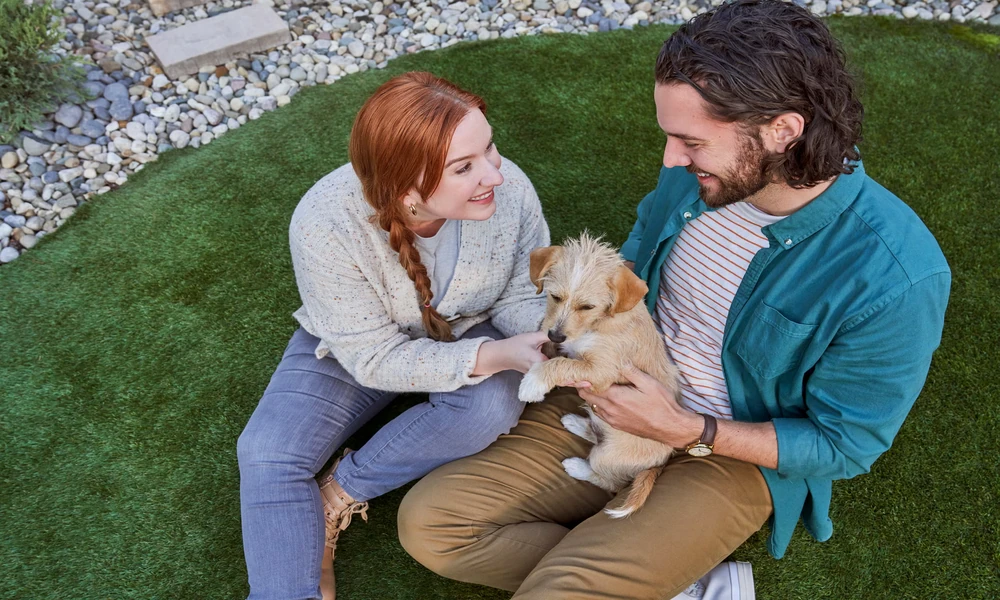
Naming a puppy is one of those decisions that feels trivial until you’ve been calling a dog by the wrong name for six months. The name you choose will be used thousands of times over the dog’s life – in commands, in greetings, in the inevitable moments of mild frustration. It’s worth spending a few minutes thinking about what actually makes a dog name work.
What Makes a Name Stick
A puppy name generator can be a useful starting point for exploring options outside the names you’d naturally think of first. The most functional dog names share a few characteristics: one or two syllables (dogs respond more reliably to shorter sounds), no close phonetic similarity to common commands (‘Kit’ sounds too much like ‘sit,’ ‘May’ is close to ‘stay’), and a clear, distinct sound the dog can identify.
Research from the American Kennel Club suggests dogs respond best to names that end in a vowel sound, which produces a more distinct auditory signal than consonant endings. This is why names like ‘Bella,’ ‘Charlie,’ and ‘Buddy’ have dominated popularity charts for years.
Avoiding Names That Create Problems
Names that sound like commands cause consistent confusion in training. Names with multiple syllables get shortened in practice, so a dog named ‘Maximilian’ will end up being called ‘Max’ – you may as well start there. Names that sound similar to other pets’ names in the household create call confusion.
Letting the Dog Inspire the Name
Some dogs reveal their names through personality within the first day or two. A particularly dignified shelter dog might earn a formal name; an absurdly energetic puppy might demand something silly. Waiting a few days before committing – observing how the dog moves and interacts – often produces a better match than naming from a photo.